2026-11-13 · 4 min read · Orange County
Should We Pay Off Debt With Our Sale Proceeds or Put More Down on a Bigger Home in Huntington Beach?
The short answer
Should you pay off debt with your sale proceeds or put more down on a bigger home in Orange County? Run both numbers with your lender before you decide. Paying off a high-interest card or a large monthly payment can help your debt ratio more than the same dollars added to a down payment. A bigger down payment can lower your loan and may avoid mortgage insurance or a jumbo loan. Keep a cash cushion in either case.
How Do We Start Thinking About This?
How do you start deciding what to do with your sale proceeds in Orange County? Start with what you'll actually have.
I'm Jeanette Nelson, a REALTOR® with Jeanette Nelson Real Estate, Keller Williams Realty, serving Orange County, Huntington Beach, Costa Mesa, Fountain Valley, and surrounding areas. This is general information, not tax or lending advice.
Your proceeds are not the same as your sale price. Take the sale price, then subtract your loan payoff, any HELOC, your selling costs and any tax you expect to owe. The IRS says you may exclude up to $250,000 of gain, or up to $500,000 on a joint return, if you meet its tests. Here is how lenders count your equity.
How Does Paying Off Debt Help Us Qualify?
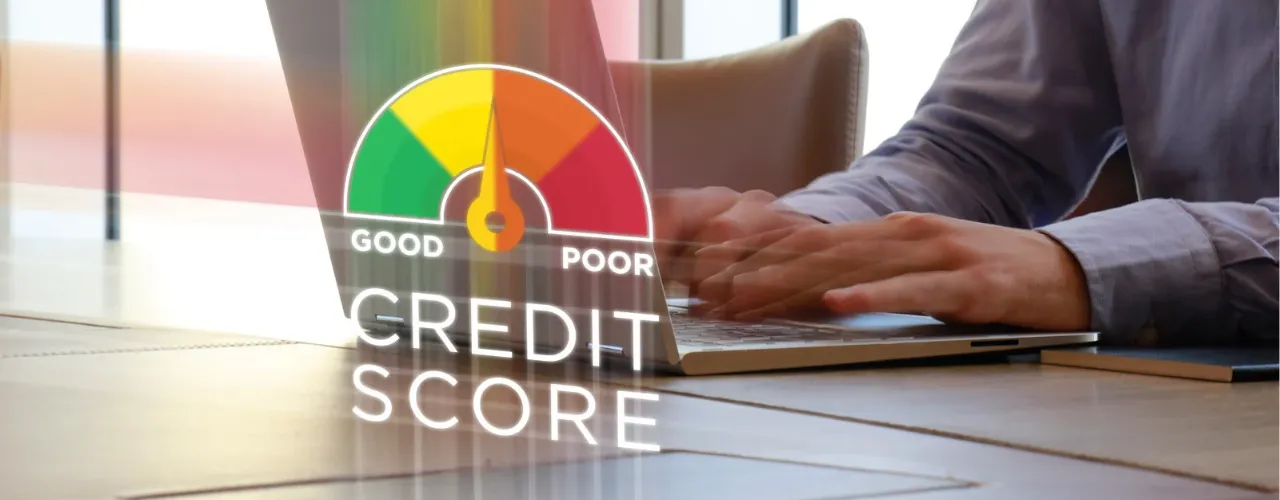
How does paying off debt help you qualify? It can lower your debt-to-income ratio. The Consumer Financial Protection Bureau describes that ratio as all your monthly debt payments divided by your gross monthly income. Here is why your lender cares.
Say your gross income is $18,000 a month, and a $1,000 monthly payment disappears. Your ratio drops by about 5.6 percentage points.
Fannie Mae's Selling Guide adds:
- Limits. The maximum ratio for loans run through its automated system is 50%. Manually underwritten loans are generally lower.
- Credit cards. If a revolving balance is paid off at or before closing, the payment doesn't have to count. You don't have to close the account.
- Installment loans. A loan paid off or paid down to 10 or fewer remaining payments can be left out of long-term debt, unless it significantly affects your ability to pay.
Your lender may have stricter limits, so ask.
What Does a Bigger Down Payment Do?
What does a bigger down payment do? It lowers the amount you borrow, and that can matter in three ways.
A lower monthly payment. Every dollar you put down is a dollar you don't pay interest on. Your lender can show you what that is worth at today's rate.
Mortgage insurance. The CFPB says borrowers generally must buy private mortgage insurance on a conventional loan with less than 20% down. You can ask to cancel it once your balance reaches 80% of the home's original value.
The loan limit. The 2026 conforming loan limit for a one-unit home in Orange County is $1,249,125, per the Federal Housing Finance Agency. FHFA updates this each year, so check it when you apply. On a $1,500,000 house, 15% down leaves a $1,275,000 loan, which is above that limit. Putting down $250,875 brings the loan to the limit. Read what a jumbo loan means and ask your lender to compare both.
How Do We Compare the Interest?
How do you compare the interest? Put each debt's rate next to your expected mortgage rate. The IRS lists credit card interest for personal expenses as not deductible. If a card's rate is well above your mortgage rate, paying it off is often the stronger use of cash.
How Much Cash Should We Keep?
How much cash should you keep? More than feels exciting, because cash is much easier to spend than to get back. Set aside money for your move, for the upkeep of a house and for months of your new, higher payment.
What Is a Simple Way to Decide?
What is a simple way to decide? Ask your lender for three written scenarios on the same house:
- All proceeds go to the down payment.
- High-rate debts are paid off, and the rest goes down.
- Debts are paid off, and a larger cash cushion stays in the bank.
Compare the monthly payment, debt ratio and cash left over in each. Pick the plan you could live with in a slow month. The debts must be paid at or before closing to count, so get the timing right. For more, see how much home you can afford.
Let's Start With a Conversation
Your Goals. Your Plan. Our Guidance. I'd love to learn what you want the next home to do for your family, and help you line up the right people to run the numbers. Call or text me at 714.366.8575 | DRE: 01397168, or contact me. Jeanette Nelson is a REALTOR® with Jeanette Nelson Real Estate, Keller Williams Realty, serving Orange County, Huntington Beach, Costa Mesa, Fountain Valley, and surrounding areas.


Frequently asked questions
Do we have to close a credit card we pay off?
Do you have to close it? For Fannie Mae loans, no. The Selling Guide says the account doesn't need to be closed.
Can escrow pay off our debts at closing?
Can escrow do it? Ask your lender. Debts can often be paid at or before closing, and your lender will say how to document it.
Is 20% down required for a bigger home?
Is it required? Not always. Less than 20% generally means mortgage insurance on a conventional loan.
Should we pay off a low-rate car loan?
Should you pay it off? If it helps you qualify, it may be worth it. If not, keeping the cash may serve you better.